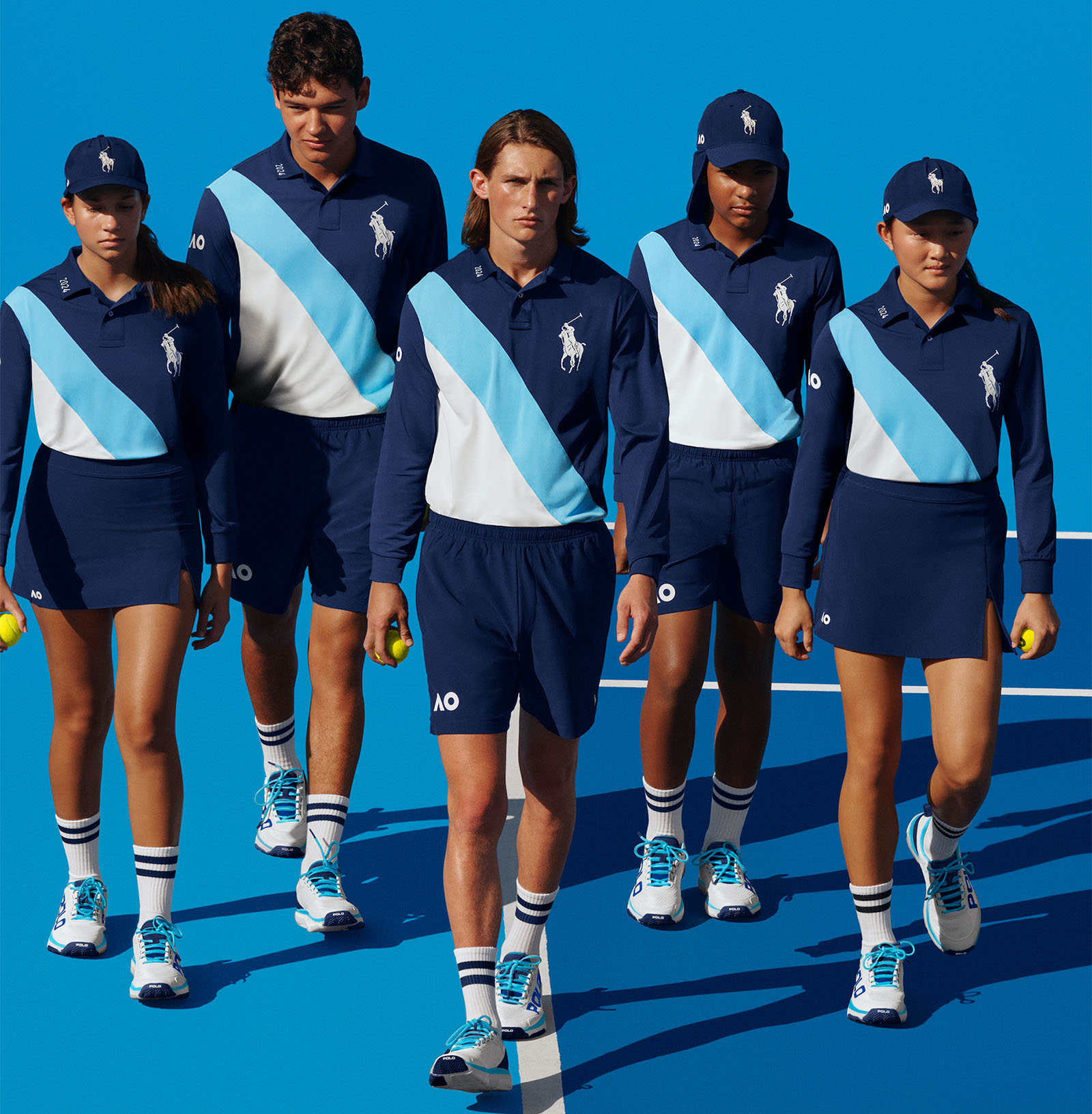





Australian Open 2025: Triumphs, Innovations & Records
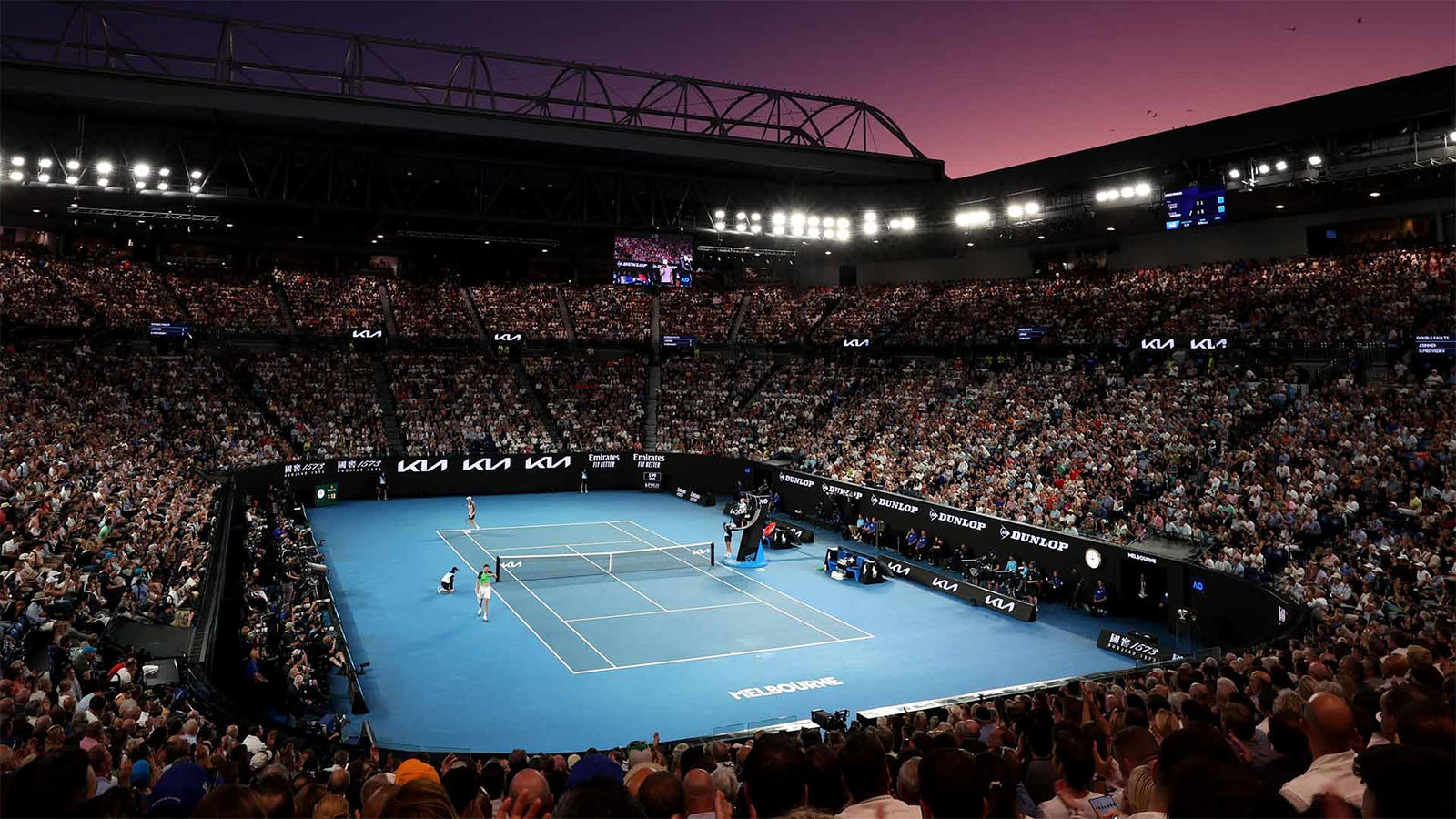
Melbourne, January 13–26, 2025 – The Australian Open 2025 delivered two weeks of electrifying tennis, blending historic victories with cutting-edge innovations. Held at Melbourne Park, the tournament featured record prize money of 96.5million∗∗,withsingleschampionsearning∗∗3.5 million each.
Champions & Key Matches
Men’s Singles: Alexander Zverev claimed his maiden Grand Slam title, defeating defending champion Jannik Sinner in a dramatic final. Sinner’s participation was shadowed by an ongoing doping investigation.
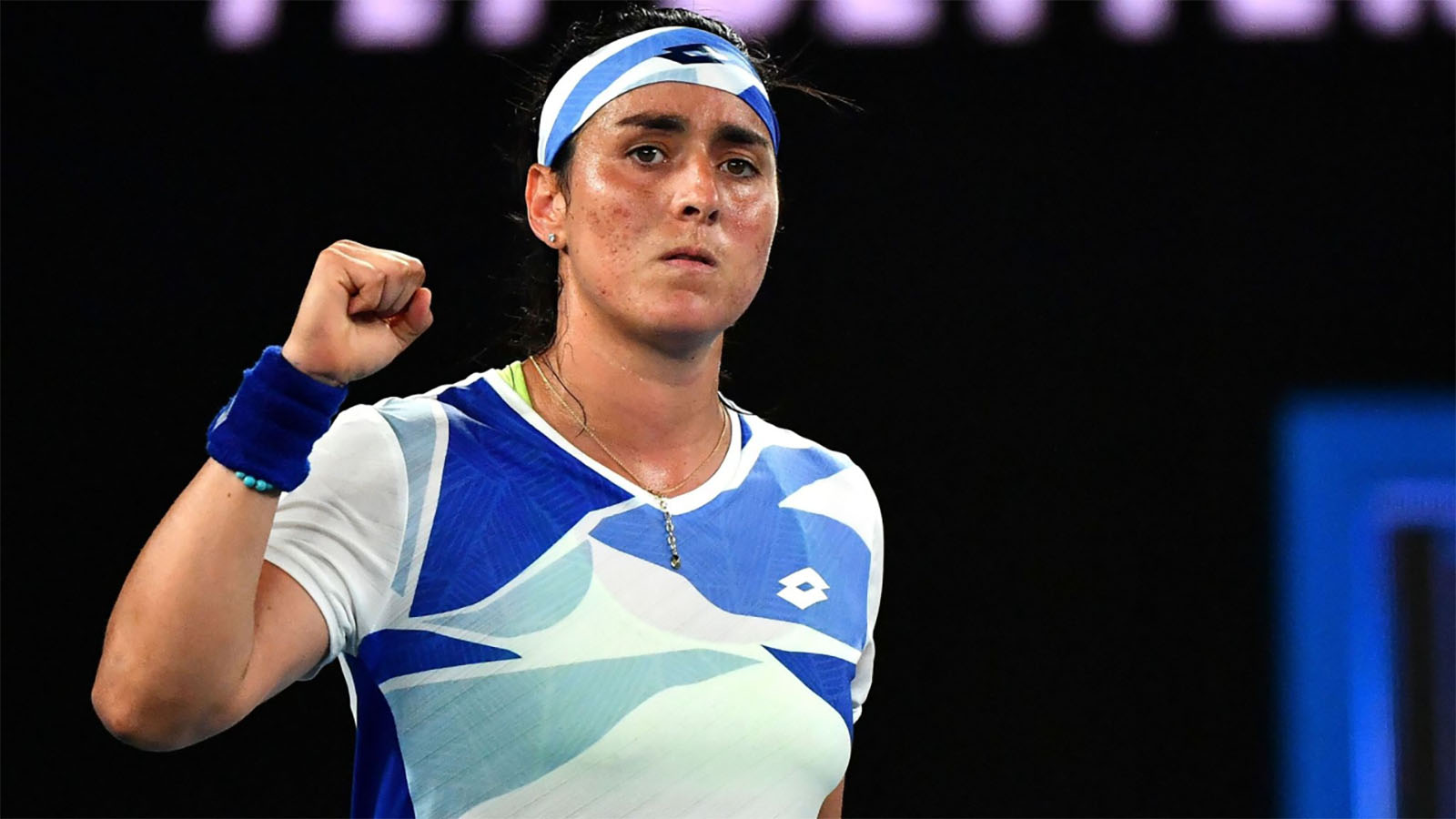
Women’s Singles: Aryna Sabalenka secured her second consecutive Australian Open crown, overpowering Madison Keys in straight sets. Keys’ aggressive net play fell short against Sabalenka’s relentless baseline dominance.
Early Exits: World No. 2 Iga Świątek (semifinals) and Coco Gauff (first round) suffered surprising defeats, underscoring the tournament’s unpredictability.
Rule Changes & Technology
10-Point Tiebreak: All singles matches adopted a decisive 10-point tiebreak in the final set, reducing match times by an average of 90 minutes.
Automated Officiating: Hawk-Eye Live replaced human line judges entirely, while Video Review (VAR) resolved net touches and foot faults.
Heat Policy: Matches paused automatically when the Wet Bulb Globe Temperature (WBGT) exceeded 32.2°C, with roofed courts prioritized.
Commercial Impact
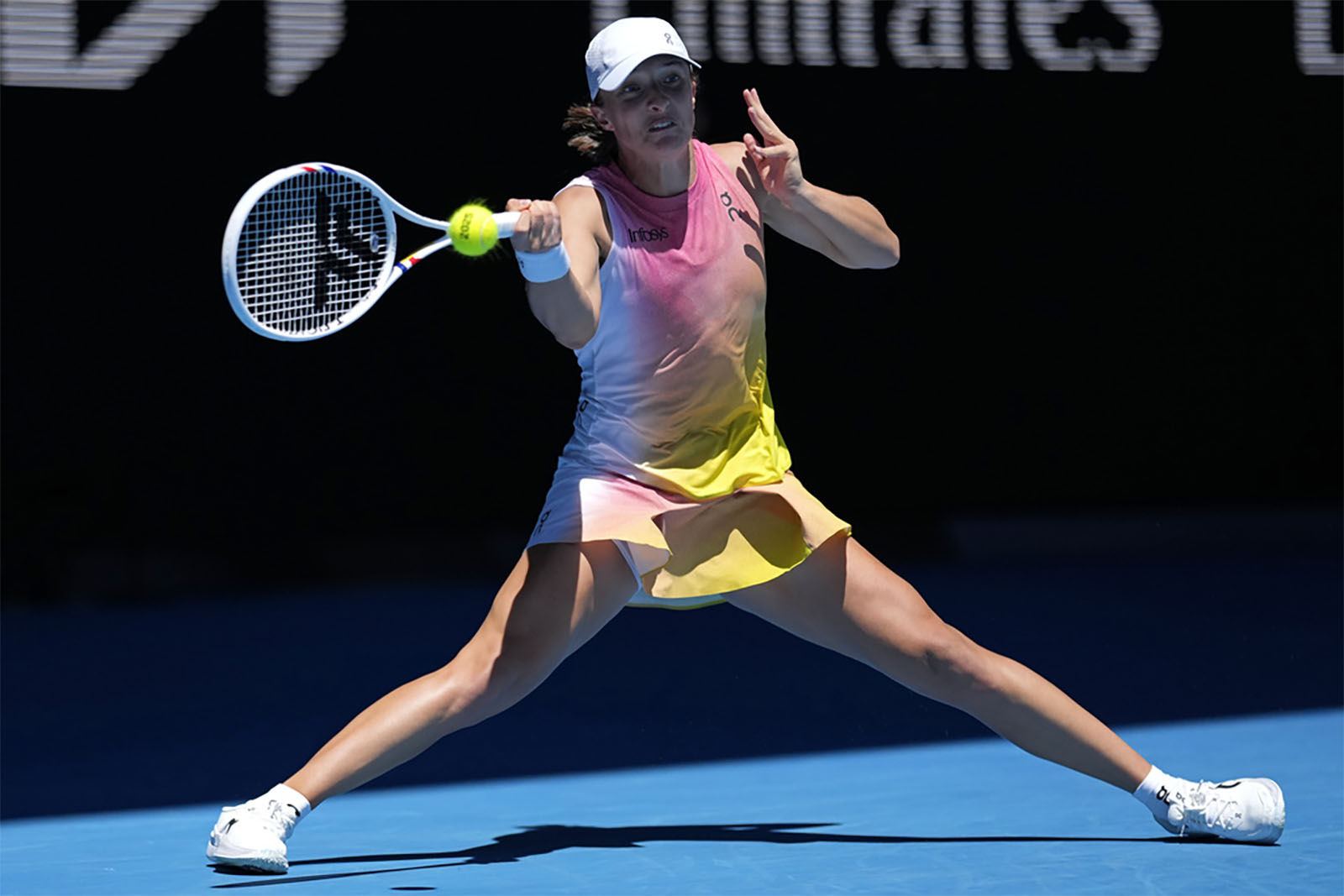
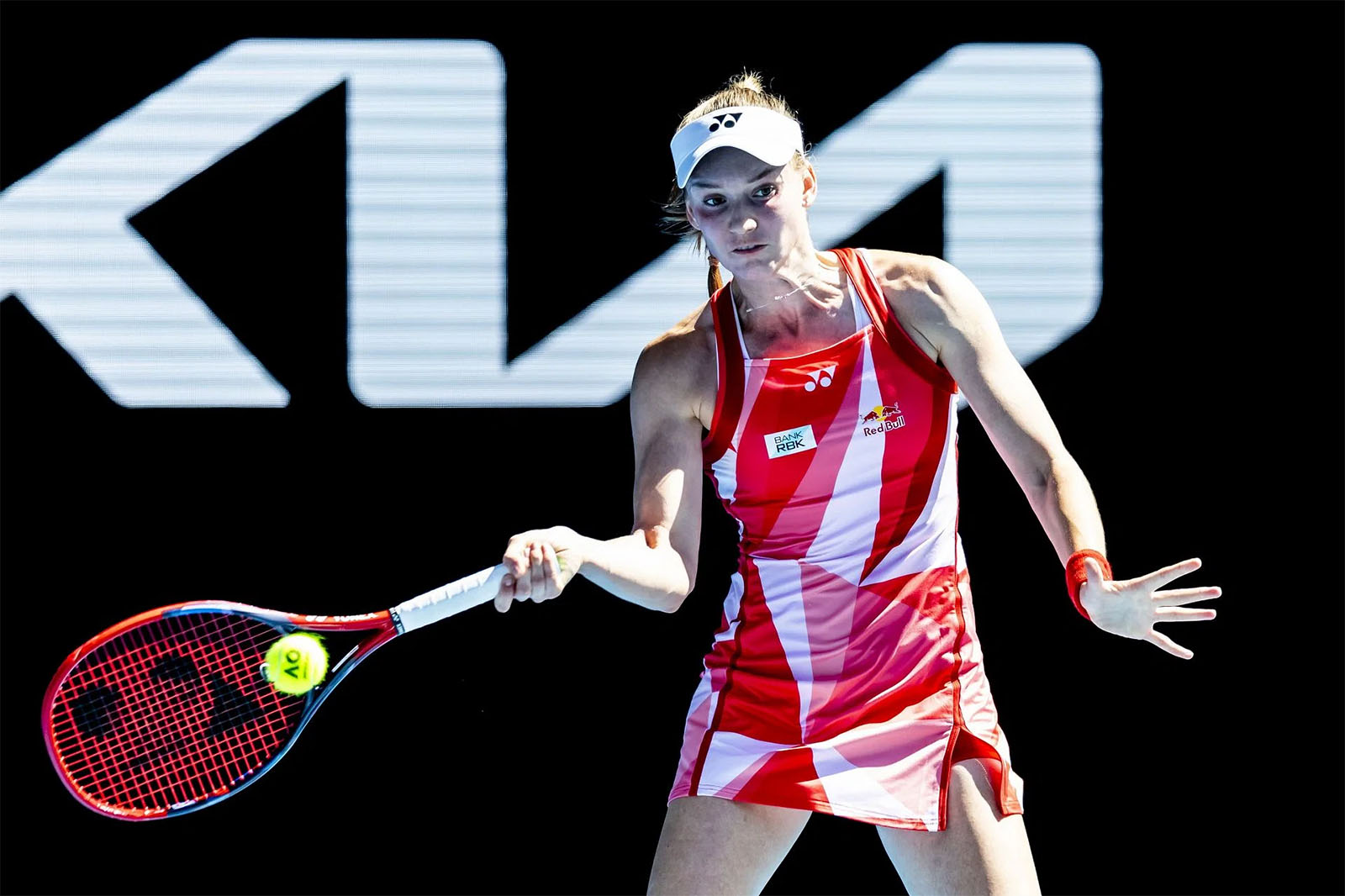
Sponsorship: 35 brands partnered with the event, generating $84.3 million in revenue. Kia remained the lead sponsor, joined by new partners like Red Bull and Grey Goose.
Viewership: The men’s final drew 35 million viewers in Italy (Sinner’s home country) and 4.2 million in Australia on Channel Nine.
Charity Spotlight: Olympic gold medalists Zheng Qinwen and Novak Djokovic teamed up for a mixed doubles charity match, thrilling fans ahead of the main draw.
Sustainability & Accessibility
Eco-Initiatives: Achieved 100% renewable energy use and plastic-free zones, with bottle-recycling rewards for fans.
Player Support: First-round losers received 15% higher payouts, and qualifying draws expanded to 128 players, enhancing opportunities for lower-ranked athletes.