




A Century of Roar: From "Ride-on Boilers" to Extreme Racing Tracks – A History of Motorcycle Racing Evolution
When the first motorcycles rolled off the factory roof in the late 19th century, no one could have predicted that these smoky machines would evolve into the high-speed racing stars of today, and that the equipment worn by riders would continue to evolve.
In 1876, German engineer Nikolaus Otto invented the four-stroke engine, laying the foundation for the motorcycle. In 1885, Gottlieb Daimler mounted a gasoline engine on a wooden bicycle frame, creating the world's first motorcycle. This machine, dubbed a "riding boiler," had a top speed of only 11 kilometers per hour, yet it ushered in the history of two-wheeled motor vehicles.
01 From Transportation to Racing Equipment
Motorcycles initially served only the need for transportation. In the early 20th century, motorcycle manufacturing plants rapidly emerged in Europe and the United States. In 1903, the first motorcycle club was established in California, USA; in the same year, France held its first motorcycle race—the Paris-Rouen Reliability Test.
“Early races were designed to test vehicle durability,” notes motorcycle historian Mark Thompson. “There were no dedicated tracks; races took place on ordinary roads.” The first Isle of Man TT was held in Britain in 1907, later becoming known as “the world’s most dangerous motorcycle race” due to its challenging terrain and high risk.
02. Technological Leaps Spurred by War
The two World Wars acted as catalysts for motorcycle technology development. Military needs drove manufacturers to improve vehicle reliability and performance.
“Motorcycles were widely used for reconnaissance, communication, and transportation during the war,” Thompson explains. “This directly spurred advancements in engine power, suspension, and braking systems.” Brands like Harley-Davidson and Indian supplied large quantities to the US military, and the related technologies were quickly transferred to racing models after the war.
In 1949, the International Motorcycle Sports Federation (FISM) established the World Motorcycle Championship, becoming the oldest motorcycle championship system. The competition expanded from the initial six rounds to more than 20 countries worldwide.
03. Innovation and Specialization of Safety Equipment
The latter half of the 20th century saw a qualitative leap in motorcycle racing equipment. Increased track speeds have made protective gear a necessity—from early leather jackets to modern racing suits with anti-friction, breathable, and protective functions.
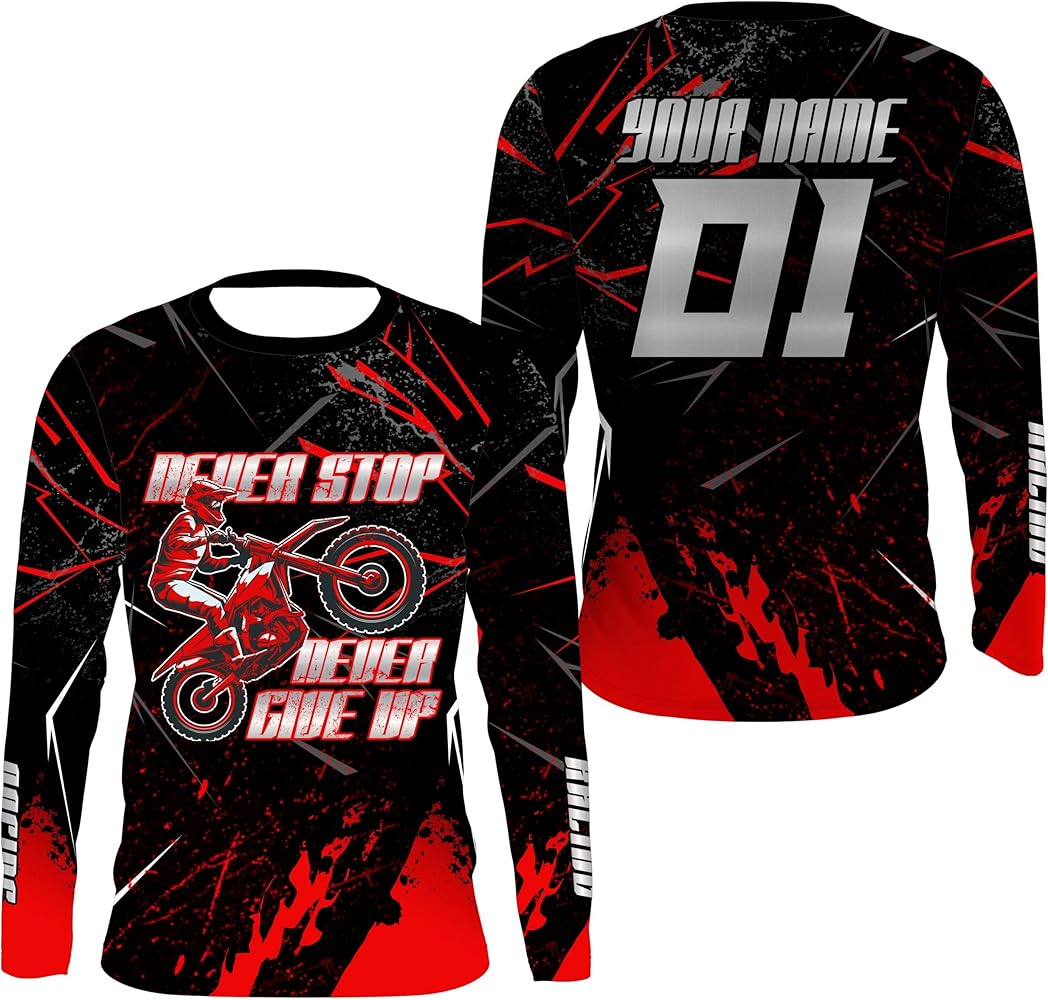
Doosansports Racing Suit is a participant and driver in this process. Its high-strength composite fabrics and modular protective gear systems not only meet the dual requirements of flexibility and safety in racing but also help riders cope with high temperatures, wind resistance, and potential impacts in extreme environments through innovative design.
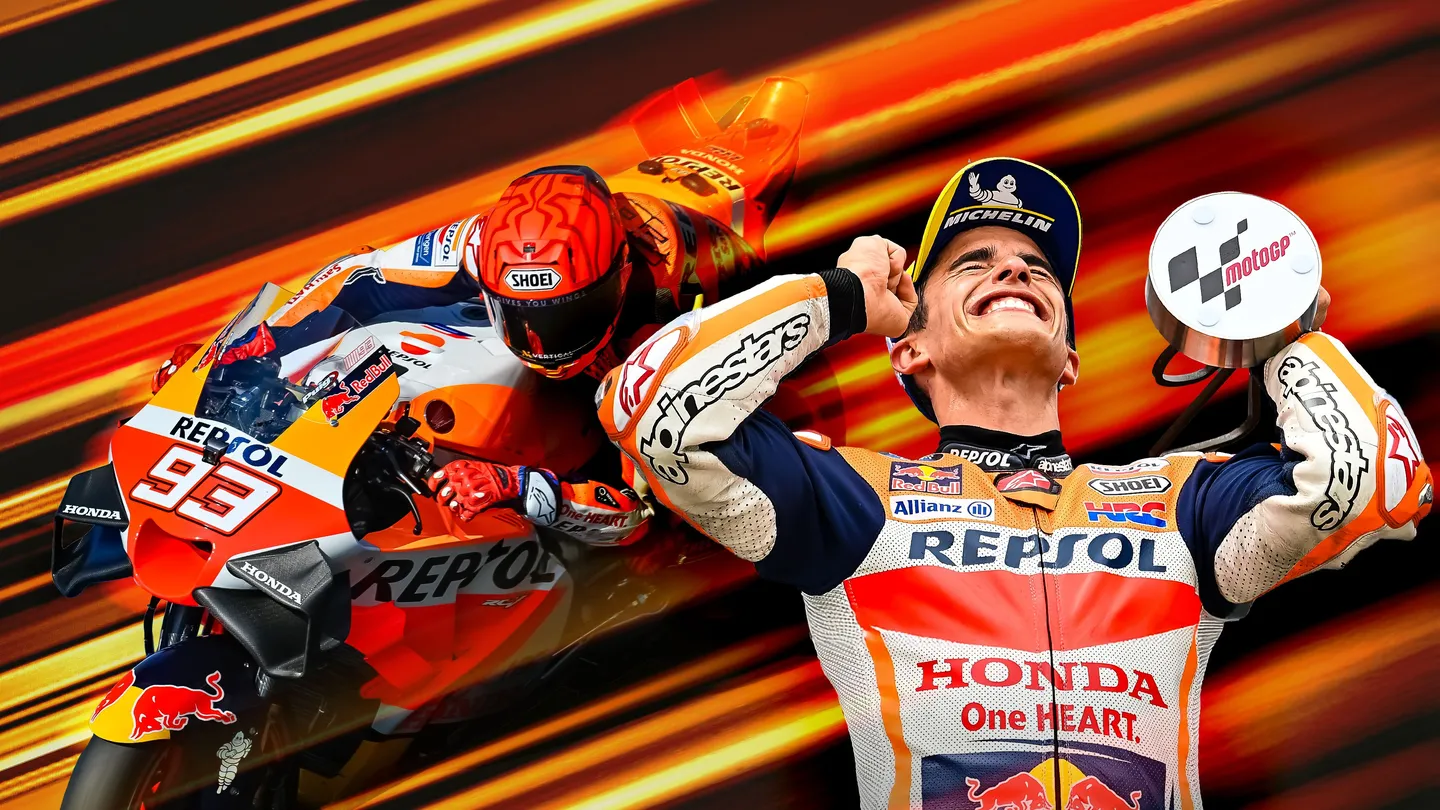
Today, on the MotoGP track, motorcycles have reached speeds exceeding 360 km/h, and rider equipment has entered a stage that emphasizes both technology and human-centered design. Doosansports Racing Suit continuously iterates its products based on race feedback, transforming track experience into professional equipment accessible to the public.
The history of motorcycle racing continues to be written by each generation of people and machines—from wooden frames to carbon fiber materials, from gasoline power to the electric revolution, the unchanging pursuit of speed and safety remains constant.